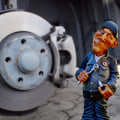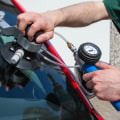
Corporate travel operations require dependable vehicles, professional drivers, and efficient scheduling to ensure business travelers reach their destinations safely and punctually. Whether transporting executives to important meetings, arranging airport transfers, or coordinating transportation for corporate events, vehicle reliability directly affects service quality. Unexpected mechanical breakdowns can disrupt business schedules, create unnecessary expenses, and negatively influence customer satisfaction. Preventive vehicle maintenance helps transportation providers minimize these risks by identifying mechanical concerns before they develop into serious problems. Establishing consistent maintenance practices allows corporate transportation companies to improve operational efficiency, maintain passenger comfort, and provide dependable travel experiences.
Preventing Unexpected Mechanical Breakdowns
One of the primary advantages of preventive maintenance is reducing the likelihood of unexpected vehicle failures. Corporate transportation vehicles frequently operate under demanding schedules, making regular inspections essential for maintaining reliable performance.
Technicians should routinely examine braking systems, tires, batteries, fluid levels, and engine components. Identifying worn parts or developing mechanical problems allows fleet managers to schedule repairs before vehicles become unreliable.
Following manufacturer-recommended maintenance intervals also helps extend vehicle lifespan while reducing the possibility of expensive emergency repairs.
Supporting Emergency Roadside Preparedness
Even well-maintained corporate vehicles can experience unexpected mechanical difficulties. Flat tires, battery failures, overheating, and electrical problems may interrupt transportation services without warning.
Having access to dependable roadside assistance provides an additional layer of protection for corporate transportation companies. Professional providers such as Road Angel Towing and Roadside Service can offer valuable support when motorists encounter unexpected roadside emergencies.
Fleet managers should establish emergency response procedures, maintain appropriate assistance contacts, and arrange replacement transportation when necessary. These preparations help minimize disruptions while ensuring passengers receive timely support.
Improving Passenger Safety and Comfort
Passenger safety remains a major priority in corporate travel operations. Properly maintained vehicles are less likely to experience mechanical problems that compromise braking performance, steering control, or overall roadworthiness.
Routine maintenance also contributes to passenger comfort by ensuring air conditioning, heating, seating, and electronic amenities function correctly.
For executives and business travelers, comfortable transportation creates an environment where they can relax, prepare for meetings, or complete work while traveling.
Maintaining Efficient Corporate Transportation Schedules
Corporate transportation providers often manage multiple reservations involving airport pickups, business conferences, client meetings, and executive appointments. Unexpected vehicle breakdowns can affect these schedules and create operational complications.
Preventive maintenance allows fleet managers to organize servicing during periods of lower vehicle demand, reducing interruptions to scheduled assignments.
Digital fleet management systems can also track vehicle mileage, maintenance histories, and upcoming service requirements, helping transportation coordinators maintain consistent vehicle availability.
Reducing Operational Expenses and Protecting Fleet Investments
Regular maintenance helps corporate transportation companies manage long-term operating expenses. Addressing minor mechanical concerns early can prevent extensive damage and costly repairs.
Proper tire maintenance, engine servicing, and fluid management may also improve fuel efficiency and reduce unnecessary component wear.
Maintaining accurate service records supports informed decisions regarding vehicle replacement and fleet investment.
Strengthening Professionalism and Customer Confidence
Reliable transportation reflects a company's commitment to professionalism, safety, and exceptional customer service. Business travelers expect punctual arrivals, comfortable vehicles, and uninterrupted journeys.
By prioritizing preventive maintenance, corporate transportation providers can reduce operational uncertainty and consistently meet customer expectations.
Ultimately, combining regular inspections, timely repairs, and emergency preparedness supports safer journeys, dependable scheduling, and long-term success in corporate travel operations.